




Monopoly: Monopoly Game | Retro Bowl
Monopoly
Monopoly
Play Monopoly - The Classic Property Trading Game
Discover More Classic Board Games

Sprunki Version Mostard

Sprunki Sproided

Sprunki Sky Treatment
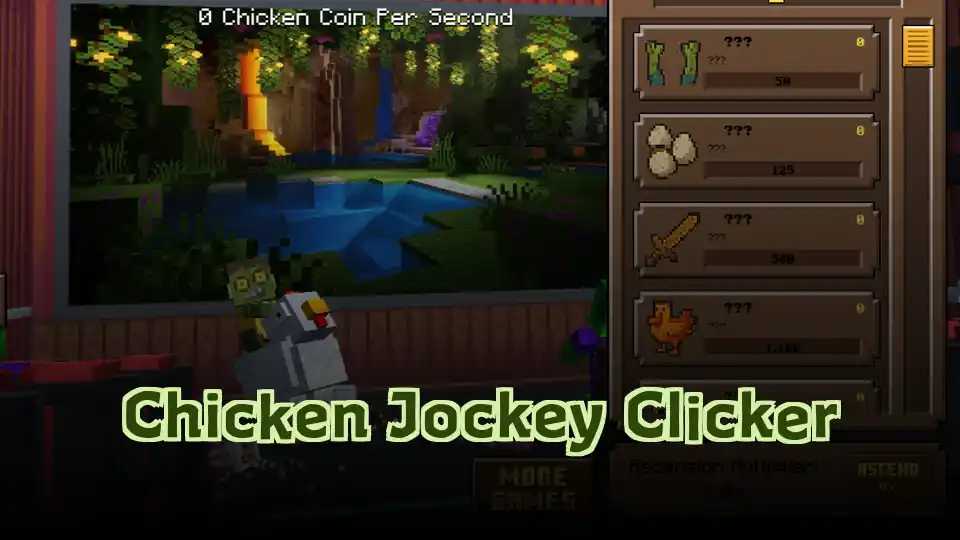
Chicken Jockey Clicker

Yet Another Boring Old Sprunki Mod

Sprunki (Wenda Treatment) New Human
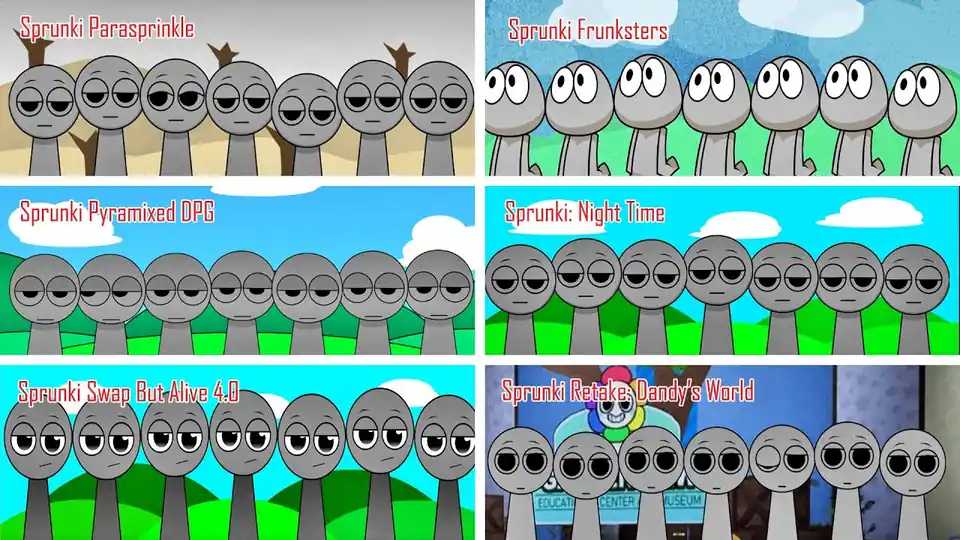
Sprunki Parasprinkle

Crazy Cow 3D
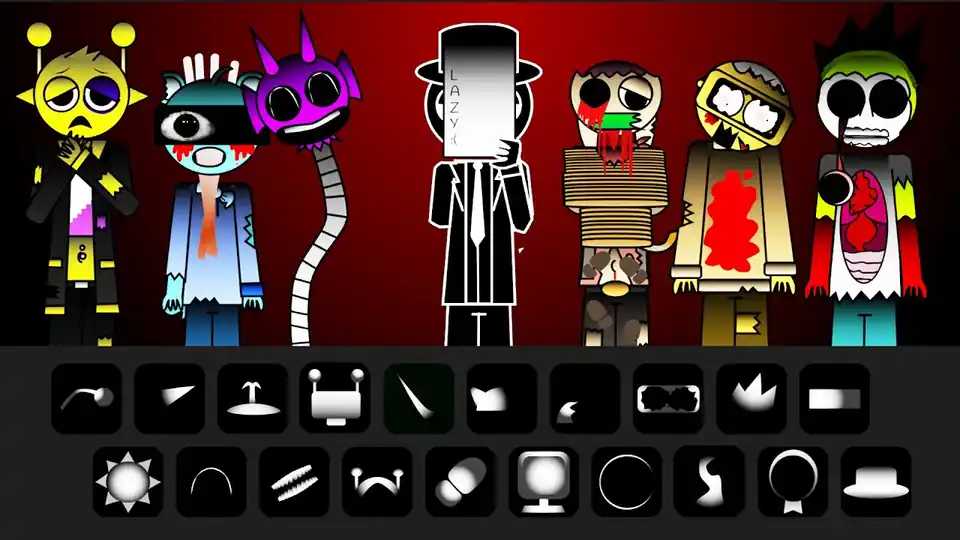
Sprunki Phase 3: Human Edition

Sprunki Parodybox Wenda Treatment

Crazy Chicken 3D

Parodybox But Sprunki Cool
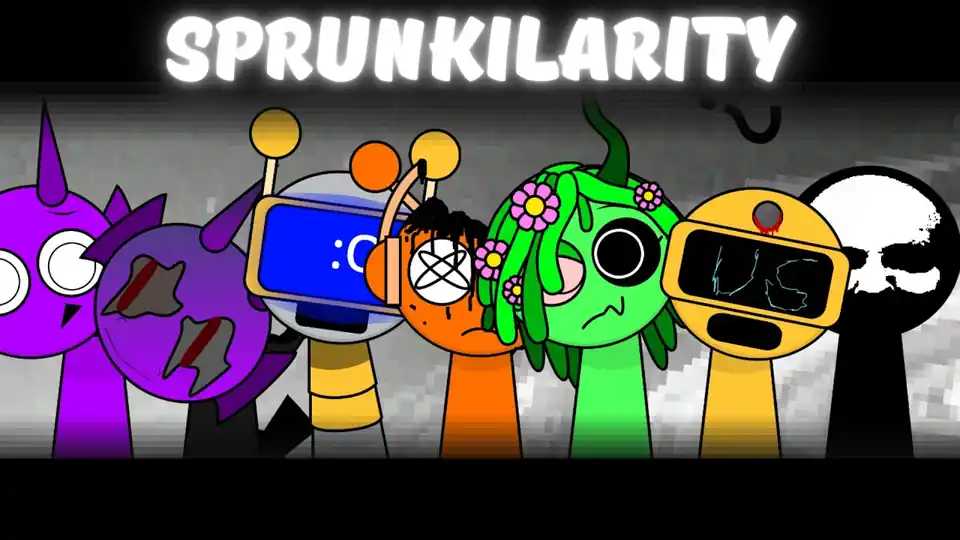
Sprunkilairity Amoral
Sprunki Sprunged

Sprunki Sinner Edition
Sprunki Phase 12 Remastered

Sprunki Frunksters

Speed Stars Unblocked

Speed Master
Amazing Sprunks And Music
What Is Monopoly?
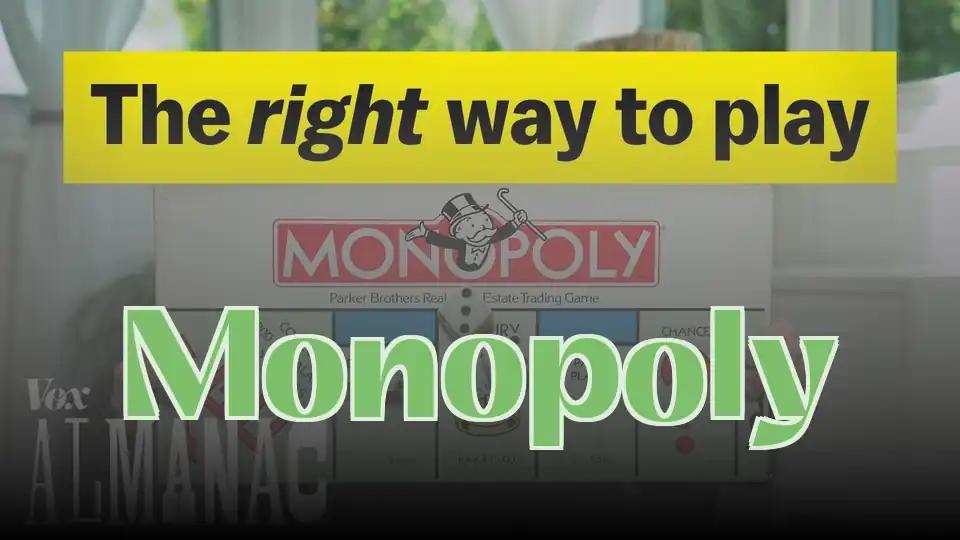
Monopoly is the legendary property trading board game that has captivated players for generations. Combining elements of luck and strategic thinking, players compete to build real estate empires by acquiring properties, developing them with houses and hotels, and collecting rent from opponents. The digital versions bring this classic experience to your screen with enhanced graphics and convenient gameplay. Like Retro Bowl, this timeless game offers both casual enjoyment and competitive depth. Whether playing against AI opponents or challenging friends online, Monopoly tests your financial management skills and negotiation tactics in a race to bankrupt your rivals and emerge as the ultimate property tycoon.
How to Play Monopoly
Roll Dice & Move
Begin your turn by rolling two dice and moving your token clockwise around the board the corresponding number of spaces. Land on properties to purchase them, pay rent to other owners, or draw special cards that can change your fortune. Manage your money carefully as you navigate between Income Tax and Luxury Tax spaces, strategically planning your route through the different property groups from Mediterranean to Boardwalk.
Build Your Empire
Acquire all properties in a color group to establish a monopoly, then strategically develop them with houses and eventually hotels to dramatically increase rent values. Balance property improvements with cash reserves to survive unexpected expenses. Trade with opponents to complete color sets or gain strategic advantages, using negotiation skills to create deals that benefit your long-term financial strategy.
Bankrupt Your Opponents
Drive your opponents into bankruptcy by collecting substantial rent, leveraging property monopolies, and making strategic trades. Manage your assets wisely, mortgaging properties when necessary but keeping key income-generating properties developed. Navigate the board strategically, avoiding high-rent areas while forcing opponents onto your properties. The game ends when all competitors are bankrupt, crowning you the Monopoly champion.
Winning Strategies
Property Management
Focus on acquiring complete color groups rather than scattered properties. The orange and red property groups offer the best return on investment due to their landing frequency.
Prioritize properties that get landed on most often
Development Timing
Build houses strategically, aiming for three houses on each property rather than uneven development. Consider opponents' cash positions before investing heavily in expensive groups.
Build evenly within color groups for maximum efficiency
Financial Strategy
Maintain emergency cash reserves for unexpected expenses. Mortgage properties strategically before selling them, and remember that paying off mortgages costs 10% interest.
Always keep funds for high-rent properties and taxes
Negotiation Skills
Trade aggressively early in the game to complete color groups. Offer properties that opponents need while gaining essential ones for your monopolies, creating win-win scenarios.
Identify and trade for your most valuable property complements
Why Play Monopoly?
Timeless Strategic Gameplay
Monopoly combines luck and strategy in a way that remains engaging decades after its creation. The property trading mechanics offer surprising depth, allowing both casual players and serious strategists to enjoy the experience.
Social Gaming Experience
Perfect for game nights and friendly competition, Monopoly creates memorable moments through negotiation, trading, and the dramatic ups and downs of property management that bring people together.
Financial Skills Development
While entertaining, Monopoly teaches valuable lessons about money management, investment strategies, and negotiation tactics. Players naturally develop better financial decision-making skills through gameplay.
Frequently Asked Questions
How do I win at Monopoly?
Winning Monopoly requires balancing property acquisition, strategic development, and financial management. Focus on creating monopolies by obtaining all properties in color groups, then develop them with houses and hotels. Maintain adequate cash reserves while driving opponents into bankruptcy through high rent collections.
What happens when you land on Free Parking?
Officially, Free Parking is just a resting space where nothing happens. However, many house rules create variations like collecting taxes and fines in the center and distributing them to whoever lands on Free Parking. Check which ruleset you're playing with before beginning your game.
Can you collect rent while in jail?
Yes, you can collect rent from opponents who land on your properties while you are in jail. You cannot develop properties or participate in trades while incarcerated, but your passive income continues even when unable to move your token on the board.
How much money do you start with in Monopoly?
Each player begins with $1,500 in traditional Monopoly, distributed as specific bills: two $500s, two $100s, two $50s, six $20s, five $10s, five $5s, and five $1s. Some digital versions offer variations with different starting amounts, but the standard game uses this traditional distribution.
What's the best property to own in Monopoly?
Boardwalk and Park Place have the highest rent values but are expensive to develop. The orange and red property groups offer the best value based on landing probability from jail. The light blue group provides excellent return on investment with relatively low development costs.
Can you build houses during another player's turn?
No, property development can only occur during your turn before or after rolling the dice. You must own all properties in a color group and have sufficient funds to build evenly across all properties in that group, following the strict building rules.
What happens when the bank runs out of houses?
When the bank's supply of houses (32) is exhausted, no more building can occur until houses become available again, typically through property demolition. This strategic shortage often becomes a crucial factor in mid to late-game development planning.
Can you trade while in jail?
Trading is not permitted while in jail according to official rules. You must wait until you're released before engaging in property trades or negotiations. This limitation adds strategic depth to timing your trades and jail management decisions.
How do auctions work in Monopoly?
When a player lands on an unowned property and declines to purchase it, the property immediately goes to auction. Bidding starts at any amount and proceeds clockwise until only one bidder remains. The winning bidder pays the bank and receives the property deed.
What happens when you can't pay rent?
If you cannot afford to pay rent, you must first mortgage properties or sell houses to raise funds. Only after exhausting all assets can you declare bankruptcy and eliminate yourself from the game, transferring all properties to the player you owe money to.
Can you mortgage multiple properties at once?
Yes, you can mortgage any number of your properties during your turn as long as you have no houses or hotels on any properties in that color group. Each mortgaged property provides half its printed value, and properties must be unmortgaged before adding houses.
What's the longest possible Monopoly game?
Theoretically, Monopoly games can continue indefinitely with strategic trading and bankruptcy avoidance. However, typical games last 60-180 minutes depending on player count, house rules, and experience level. Digital versions often include time limits to prevent excessively long sessions.
No Download Required
Experience Monopoly instantly in your browser without any downloads or installations. Our web-based version loads quickly and runs smoothly on most modern devices. Simply click to play and enjoy the full Monopoly experience with all classic rules and gameplay preserved. This convenient approach makes it easy to enjoy a quick game during breaks or engage in extended sessions without storage concerns.
Game Features
Authentic Gameplay
Experience all classic Monopoly mechanics including property trading, house building, rent collection, and chance cards in this faithful digital adaptation that preserves the original board game's strategic depth.
Multiple Game Modes
Choose from single-player against computer opponents with adjustable difficulty levels or multiplayer modes that allow you to challenge friends locally or compete against players worldwide online.
Customizable Rules
Modify house rules to your preferences with options for free parking jackpot, starting money variations, and other popular household adjustments that make each game feel personalized.
Visual & Audio Polish
Enjoy enhanced graphics with animated token movements, updated board designs, and optional sound effects that bring the classic Monopoly experience to life while maintaining familiar gameplay.